What Is The Skin Microbiome, And Why Does It Matter?
Your skin hosts trillions of microorganisms — bacteria, fungi and viruses — collectively known as the skin microbiome, and disrupting this balance is increasingly linked to common skin concerns.
Understanding what the microbiome does helps explain why more skincare formulas are shifting toward supporting it rather than simply fighting bacteria.
A protective layer you cannot see
The skin microbiome forms a thin, living layer on the skin's surface, made up of countless beneficial microorganisms. This community plays an active role in defending against harmful pathogens, regulating inflammation and supporting the skin's physical barrier.
How modern skincare disrupts it
What a healthy microbiome is associated with
Research in this space, still an active and developing field, associates a balanced skin microbiome with stronger barrier function, more even-looking tone, and reduced visible redness and sensitivity. See more in the NCBI research database.
Ingredients associated with microbiome support
Probiotic-derived and prebiotic ingredients, including bacterial lysates like Micrococcus Lysate, are increasingly used in formulas designed to nourish rather than strip this bacterial layer.
What this means for your routine
If your skin feels increasingly reactive despite a consistent routine, harsh antibacterial ingredients may be part of the issue. Gentler, microbiome-supportive formulas are worth considering as an alternative approach.
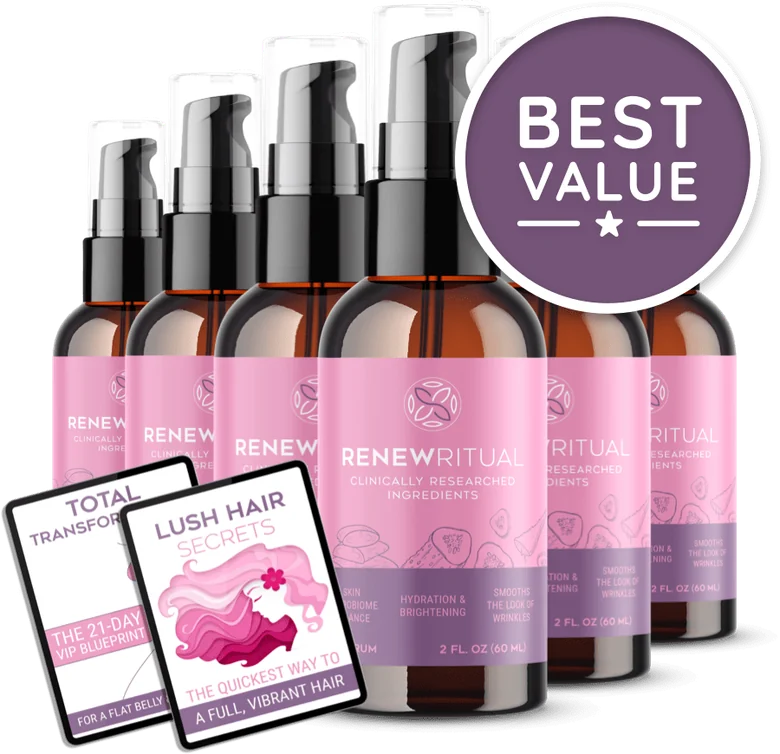
Applying this to RenewRitual
RenewRitual includes Micrococcus Lysate specifically for this purpose. See our full breakdown on RenewRitual's ingredients. This is background context on the ingredient category generally, not a claim about the finished product, which has not been separately clinically tested.